Predictive models
Ignite Growth Platform risk models give a glimpse into the future by predicting the health needs of patients and non-patients within the next 12 months. They help identify and reach the right individuals—at the right time—to maximize marketing dollars and campaign outcomes.
We’ve developed over 650 unique models (325+ for consumers and patients and 325+ for patients only) to predict the risk for specific diseases, conditions, and procedures (download the complete directory below). You put them to work in the platform when you use the risk model selector to build your target audience or apply individually using the Models criteria filters.
Deep learning, improved performance
Our patient and consumer risk models are trained on anonymized healthcare data to identify patterns in demographics and medical encounters. We use cutting-edge deep learning algorithms to train the models to predict individuals' risk. These networks allow a given model to learn more information from the data and predict risk more accurately. When you create target audiences, you can expect to see a 3-5% increase in qualified leads over previous versions of the same models.
WebMD Ignite's deep learning algorithms leverage data from over two billion anonymous encounters and demographic data we have. This trains Ignite predictive models which variables make someone more (or less) at risk for a condition or disease. Our team of in-house data science experts regularly refine and push each of the individuals through our deep learning network to score their risk level. The correct output is predicting someone’s risk level for over 325 different disease states and conditions.
As a result, you can best identify individuals (patients and non-patients) who require health services before their moment of need, as well as apply actionable data to refine existing campaign audiences. WebMD Ignite predictive analytics can be used to help teams better understand utilization patterns that drive cost, determine audience segments appropriate for pre-emptive communication, and identify gaps in utilization of services as well as those areas ripe for value creation. In addition, these powerful analytics suggest the most appropriate method for engaging with audiences, driving smarter patient acquisition and retention.
Predicting risk (scoring)
To predict risk, each individual in your database is scored to indicate level of risk as follows:
- Consumer Risk Models generate scores based on consumer demographic data for all individuals age 18+, both patients and non-patients, Non-patients are defined as individuals never having an encounter with your health system, or no encounter within the last 3 years.
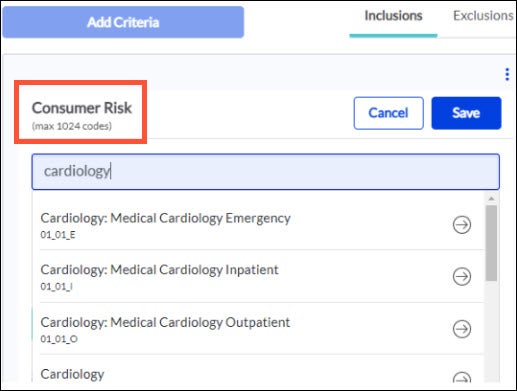
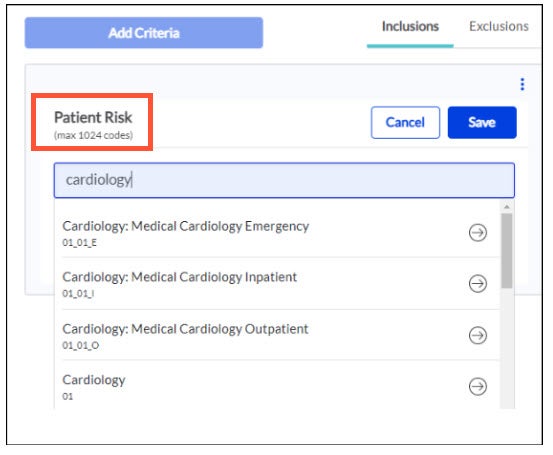
- Patient risk models use patients’ encounter data from the past 3 years to generate scores for all patients, including minors. Patient risk scores generated for individuals with recent medical history (within 3 years) have stronger predictive value than those generated with outdated medical history information (more than 3 years old).

Risk model scoring for minors
While the models are intuitive for creating adult audience lists, there are some things to keep in mind when using our risk models to create pediatric campaign audience lists.
- Consumer data includes adults over the age of 18 only, meaning minors aren’t included in consumer data so it isn’t possible to score them using Consumer Risk Models. Instead, you could use consumer data to understand how many households in the market have children (e.g., Household criteria filters - Child Count, Household Age Bands), affinities (e.g., Household criteria filters - Household Interests Household Niches), household income, and other basic demographics at the household level.
That said, when a minor is a patient, the system can use data from their encounter records to apply Patient Risk models. Just be mindful that predictive models rely heavily on historical patient data to establish a risk score. Pediatric patients may not have much history, so there are naturally fewer data points to establish risk. Think of this as applying an adult-sized predictive model to child-sized data—the fit isn’t perfect, but the lift and ROI will likely be better than creating an audience list at random.
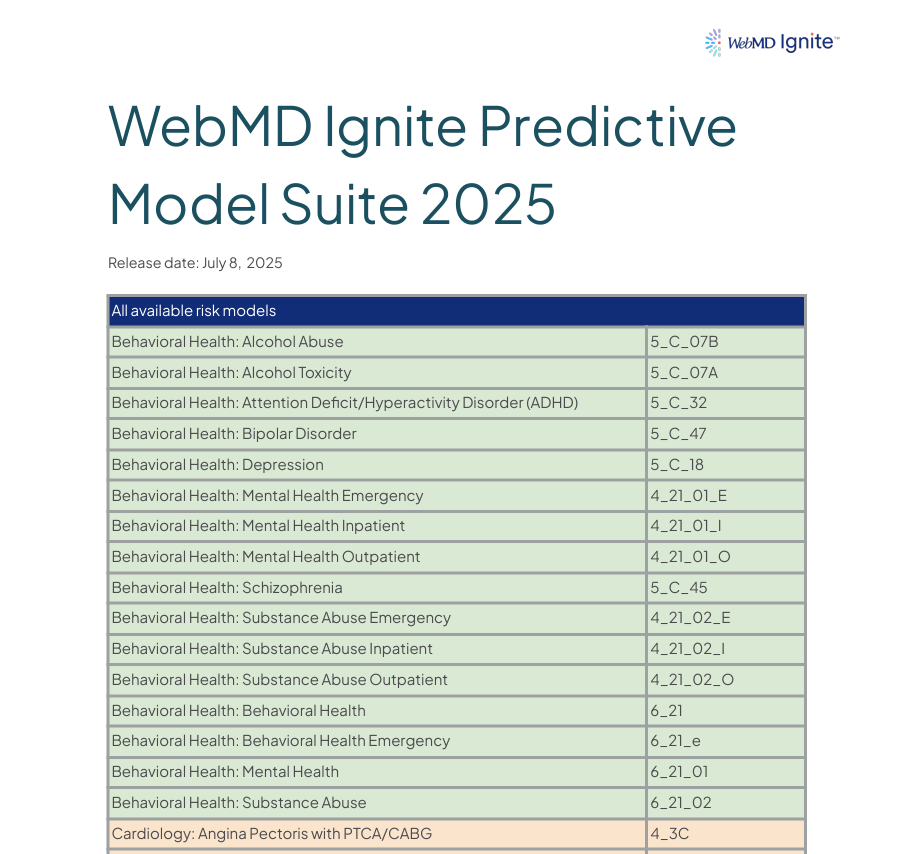
Download the risk model directory
Click the image to download the PDF.
Consumer and Patient Risk models are proprietary to WebMD Ignite.